Real-World Assets (RWA) Capital Flow Paradox & On-Chain Yield: Institutional Safe Haven or Secondary Liquidity Trap?
Real-World Assets (RWA) Capital Flow Paradox & On-Chain Yield: Institutional Safe Haven or Secondary Liquidity Trap?
Forensic dissection of financial structuring, capital transmission mechanics, legal custody chokepoints, and the reality behind the multi-trillion dollar tokenization wave between Wall Street and Web3.

Figure 1: Quantum bridge architecture connecting traditional finance (TradFi) assets with decentralized finance (DeFi) ecosystems.
⚡ Executive Summary & Core Strategic Theses
- • The Essence of the RWA Surge: RWAs serve as sophisticated legal wrappers designed to grant traditional financial institutions access to deep stablecoin liquidity pools while globally expanding asset distribution channels.
- • The Secondary Liquidity Paradox: Unrestricted DEX trading only reflects the surface token layer. Under systemic redemption pressure, smart contracts remain strictly subordinate to custodian legal rulings and off-chain underwriting approvals.
- • The Governance Token Value Flaw: Most RWA governance tokens offer nominal voting utility, whereas actual protocol fees and asset cash flows accrue directly to operating corporations and traditional equity venture holders.
- • Elite Execution Strategy: Sophisticated market participants must strictly distinguish between holding backed yield-bearing assets and speculating on governance tokens, utilizing quantitative scanning systems to actively hedge liquidity risks.
📑 Research Framework & Contents
1. The "Tokenize Everything" Mania & Financial Reality
Throughout financial market history, every macro cycle creates a flagship narrative to channel global capital inflows. While 2020-2021 was dominated by the explosive rise of yield farming and digital collectibles, the 2025-2026 era features institutional financial giants from BlackRock and Franklin Templeton to private banking institutions across Switzerland and Singapore converging on a singular mega-theme: Real-World Assets (RWA) — Tokenization of Physical and Sovereign Assets.
Mainstream financial outlets consistently champion the vision of a frictionless financial plane: A world where prime Manhattan real estate, multi-billion-dollar US Treasury issuances, and private corporate credit tranches are fractionalized into decimal units and traded globally 24/7. This is heralded as the ultimate synthesis of traditional financial security and decentralized network velocity.
Yet, from the perspective of an independent quantitative strategist, the fundamental question must be asked: Who truly captures the underlying cash flows, and who absorbs catastrophic liquidation losses when off-chain counterparty linkages fail? Minting an on-chain token does not alter the fundamental risk profile of the collateral, nor does it bestow organic liquidity upon intrinsically illiquid physical assets. This report dissects every structural layer to unveil the systemic liquidity paradoxes modern investors must recognize.
2. Capital Transmission Engine: From Fed Rates to On-Chain Yield
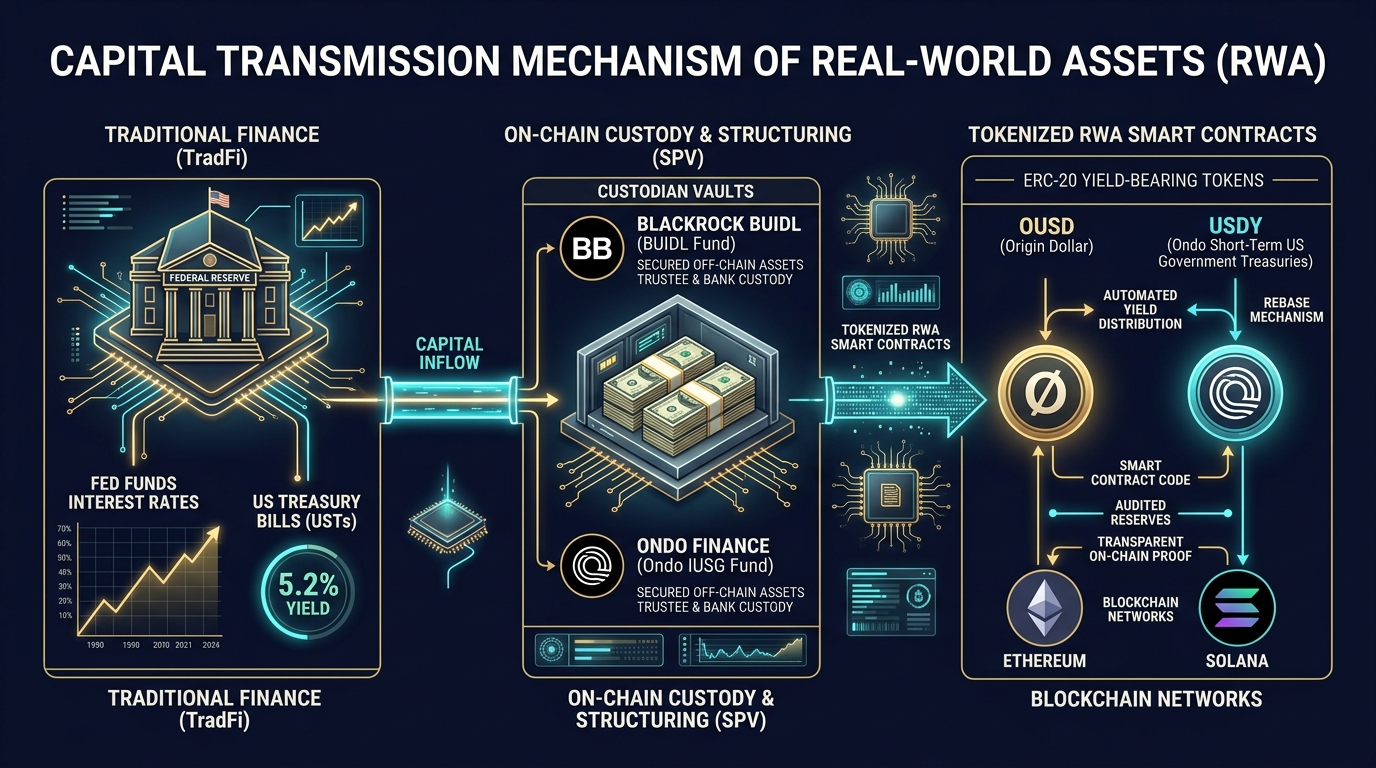
Figure 2: Capital transmission pipeline and intermediate legal structuring connecting physical collateral to blockchain token minting contracts.
To comprehend the origin of RWA yields, one must examine the monetary policy stance of the US Federal Reserve. When the federal funds rate remains elevated above 5%, native DeFi lending protocols (yielding only 2-3% on crypto collateral) suffer major capital flight. Tens of billions in stablecoins seek reliable, risk-free real yield benchmarks.
RWA protocols emerge as liquidity conduits, channeling idle digital capital directly into sovereign debt obligations. The end-to-end mechanism encompasses four critical operational phases:
Phase 1: Capital Inflow & Legal Structuring (SPV Formation)
Users deposit stablecoins (USDC, USDT) into smart contracts. Operating entities convert these into fiat USD via partner banking rails, subsequently funding an offshore Special Purpose Vehicle (SPV) domiciled in bankruptcy-remote jurisdictions such as the Cayman Islands or British Virgin Islands.
Phase 2: Underlying Asset Acquisition & Centralized Custody
The SPV allocates USD reserves into short-duration US Treasury Bills or institutional money market vehicles managed by BlackRock (BUIDL) or Franklin Templeton (BENJI), secured within regulated global custodian vaults such as BNY Mellon.
Phase 3: Token Minting & Yield Distribution Mechanics
On-chain contracts mint corresponding tokens at a 1:1 ratio (such as Ondo USDY or Backed bIB01). Coupon yields are disbursed to token holders via dynamic wallet balance rebasings or appreciating net asset value (Accumulating NAV) curves.
Phase 4: Redemption Cycle & Settlement Bottlenecks
When capital exits to underlying fiat or native stablecoins, the cycle reverses: Tokens are burned, the SPV liquidates underlying securities in TradFi markets, and proceeds undergo banking settlement clearing (T+1 or T+2) prior to stablecoin disbursement.
3. 2026 RWA Sector Segmentation: US Treasuries, Private Credit & Real Estate
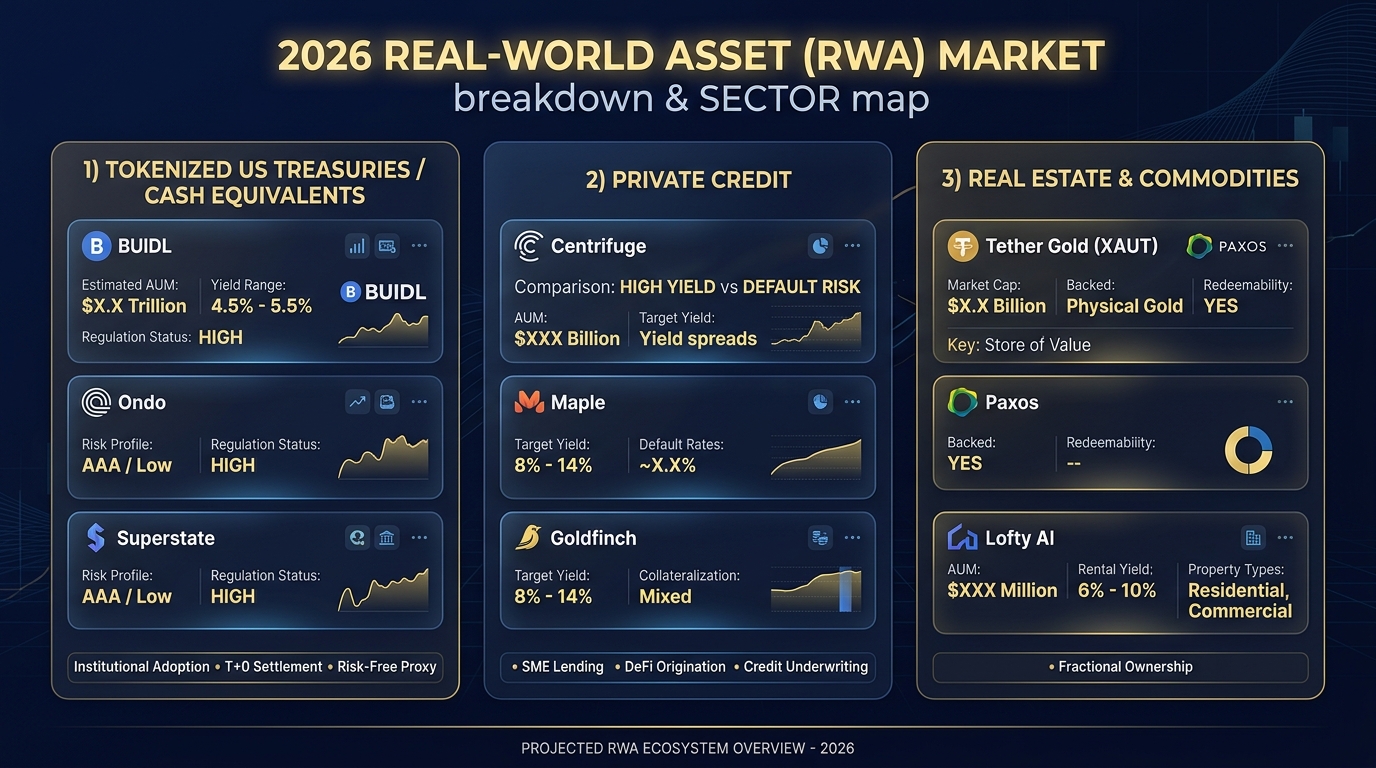
Figure 3: Categorization of the three core RWA pillars with corresponding risk profiles, expected yields, and regulatory friction layers.
The RWA landscape is sharply segmented across distinct asset classes with divergent risk-reward dynamics. Conflating sovereign-backed treasury tokens with undercollateralized small-business loans creates hazardous portfolio assumptions. Current market architecture centers upon three primary segments:
| RWA Sector | Flagship Protocols | Target APY | Underlying Collateral Structure | Liquidity Risk Profile |
|---|---|---|---|---|
| Tokenized US Treasuries | BlackRock BUIDL, Ondo (USDY/OUSG), Superstate, Backed | 4.5% - 5.2% | Short-term US Treasury Bills, Overnight Reverse Repos | Low (Primarily Custodian & Counterparty Risk) |
| Private Credit & SME Debt | Centrifuge, Maple Finance, Goldfinch, Credix | 8.5% - 14.0% | Emerging Market SME Loans, Structured Corporate Debt | Very High (Credit Default & Illiquid Workout Risk) |
| Real Estate & Physical Commodities | Tether Gold (XAUT), Paxos Gold, Lofty AI, RealT | 5.0% - 9.0% + Appreciation | Allocated Physical Bullion (Zurich/London), Fractional Rental Housing | Moderate to High (Illiquid Appraisal & Valuation Drag) |
4. Secondary Liquidity Illusion: Tradable Tokens vs. Locked Collateral
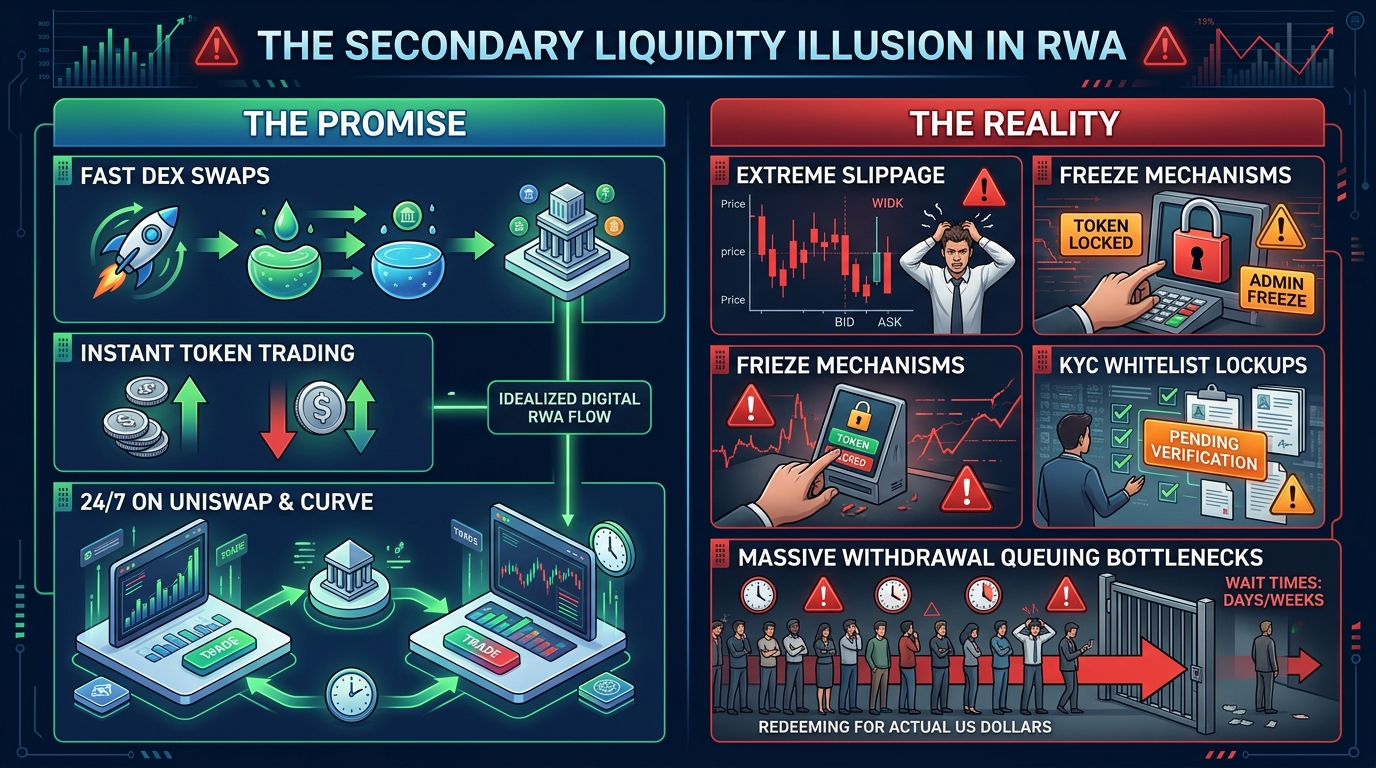
Figure 4: The liquidity paradox: Seamless on-chain DEX swaps vs. severe exit bottlenecks during off-chain collateral redemptions.
Advocates frequently assert that tokenization instantaneously unlocks liquidity for historically illiquid asset classes. However, an essential distinction must be made between Surface Token Liquidity on DEX Venues and Underlying Physical Asset Liquidity.
On decentralized exchanges like Uniswap or Curve, market participants swap RWA tokens for USDC seamlessly during normal market conditions. However, this pool liquidity is supplied by market makers and retail capital. Under severe volatility, secondary market liquidity evaporates as automated market makers pull resting quotes to protect inventory.
The Narrow Exit Door Syndrome
When secondary liquidity dries up, token holders are forced to seek direct protocol redemptions. At this juncture, structural constraints—including multi-million-dollar minimum lot sizes, stringent KYC reverification, and multi-week liquidation settlement windows—trap capital behind illiquid gates.
5. Custody Centralization Chokepoints & Jurisdictional Freezes
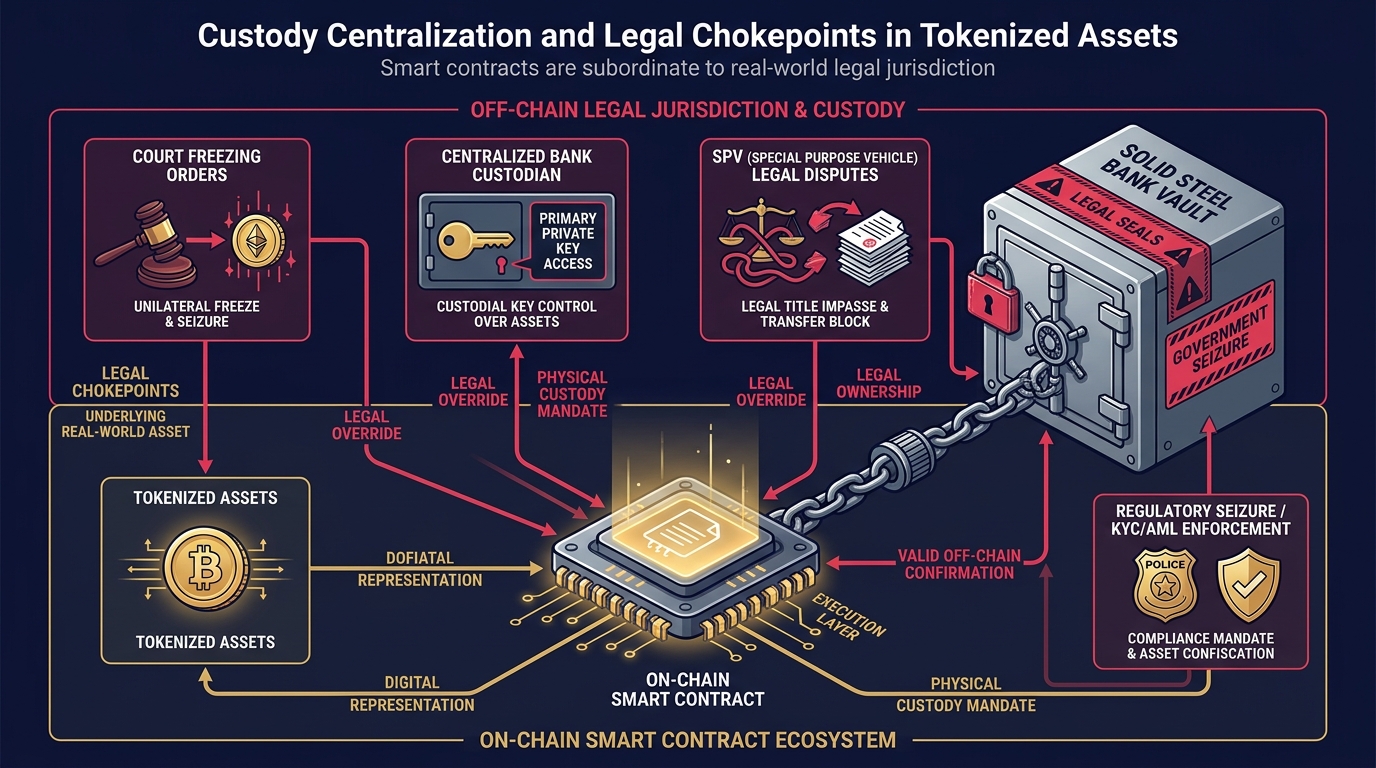
Figure 5: Smart contracts on blockchain remain completely subordinate to jurisdictional court orders and custodian bank mandates.
While pure DeFi protocols operate under autonomous smart contract execution, RWA instruments remain inextricably tethered to sovereign legal jurisdictions and centralized custodian banking networks.
On-chain smart contracts merely record digital beneficial ownership claims. Physical gold reserves, custodial bond registries, and real estate titles reside strictly under off-chain corporate administration subject to local judicial enforcement.
Admin Key Blacklisting & Freezes
To ensure compliance with anti-money laundering (AML) frameworks, regulated RWA contracts embed administrative freeze functions. Issuers are legally mandated to freeze tokens upon regulatory or court notifications without user consent.
SPV Legal Structure & Insolvency Impasse
If the entity managing the SPV encounters corporate insolvency, underlying assets face judicial freezing. Token holders are relegated to standard unsecured creditor proceedings across multi-year legal workouts.
6. Red Teaming Tokenomics: Deconstructing the Governance Token Value Flaw
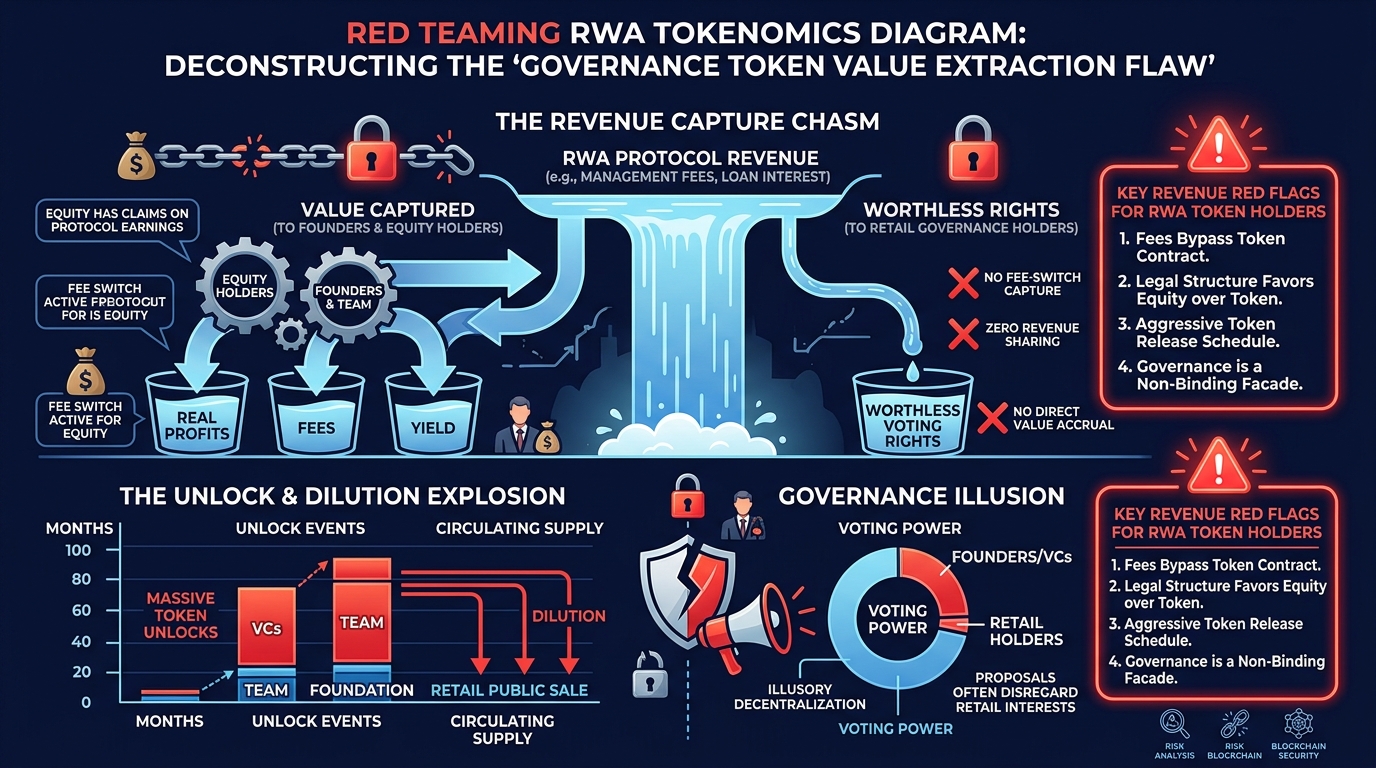
Figure 6: Value accrual divergence: True cash flows accumulate at the corporate management level while retail governance tokens face continuous vesting inflation.
Total Value Locked (TVL) expansion in an RWA protocol does not inherently translate into capital appreciation for its governance token. This fundamental structural divergence requires rigorous analysis:
-
1.
Corporate Revenue Capture: Asset management fees are collected in fiat USD and booked directly to the balance sheet of the operating corporation. Due to securities law restrictions, on-chain governance tokens lack direct revenue-sharing or dividend-distribution mechanisms.
-
2.
Vesting Unlocks & Dilution Pressure: Insiders and early venture investors command significant allocations. Scheduled linear token unlocks inject substantial sell pressure onto secondary markets, depressing valuations despite headline TVL growth.
-
3.
Superficial Governance Scope: DAO voting power is largely restricted to non-binding parameter tweaks, whereas core decisions regarding asset custody, fee schedules, and default workouts remain under corporate board jurisdiction.
7. Empirical Forensic Case Study: Private Credit Defaults & Contagion
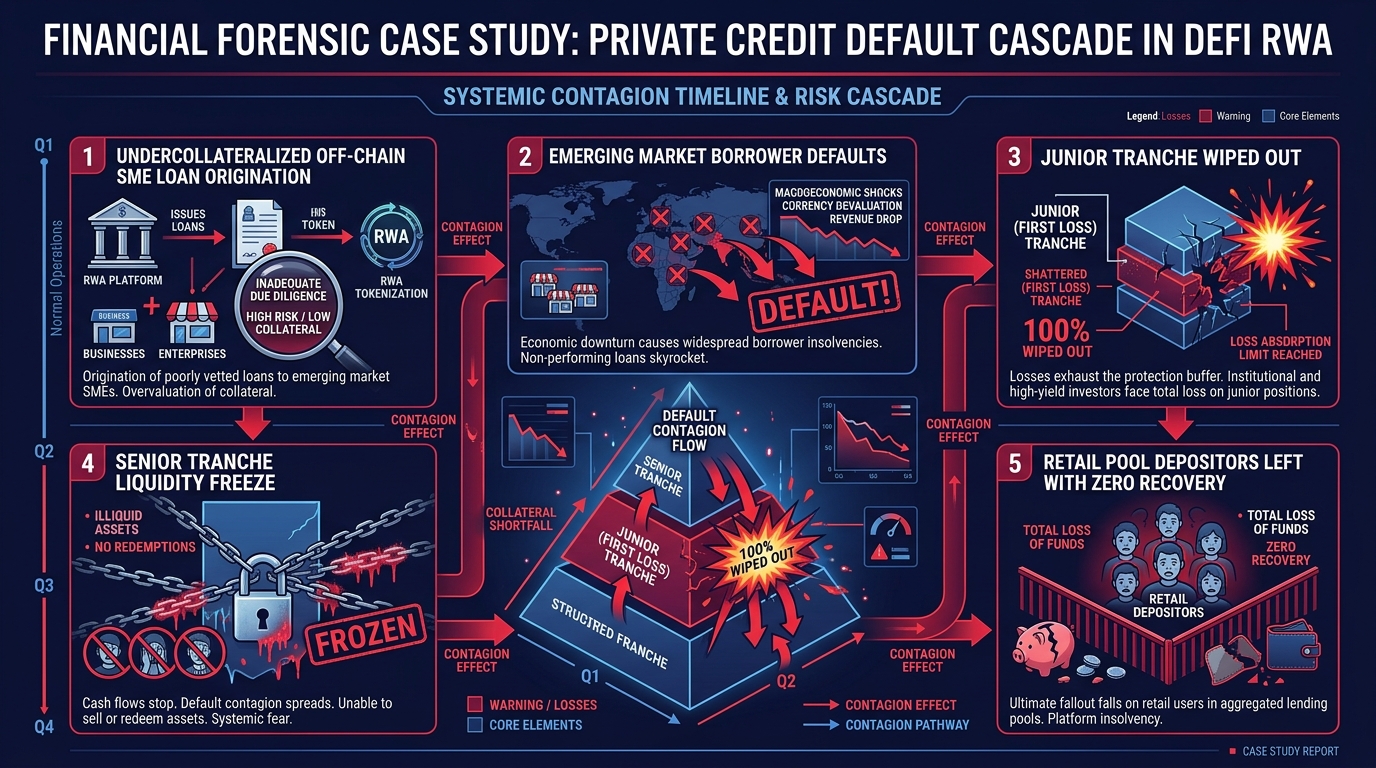
Figure 7: Subordinated risk tranche mechanics and cascading losses when uncollateralized real-world borrower defaults overwhelm protocol buffers.
Empirical historical defaults provide indispensable data regarding structural durability. Over past market cycles, uncollateralized and undercollateralized corporate lending protocols suffered severe stress under shifting macroeconomic environments.
When emerging market credit pools borrowed on-chain capital to finance local fintech lending, currency depreciations and macro headwinds triggered sudden surges in non-performing loans and borrower insolvencies.
Despite utilizing structured tranche architecture—where Junior first-loss tranches absorb initial default hits—severe systemic default rates quickly depleted Junior capital buffers, directly impairing Senior pool depositors.
Workout proceedings for physical assets entail prolonged cross-border litigation, substantial legal fees, and multi-year recovery timetables—fundamentally contrasting with autonomous algorithmic liquidations in overcollateralized crypto protocols.
8. Real Yield Paradox: Friction & Compliance Cost Erosion
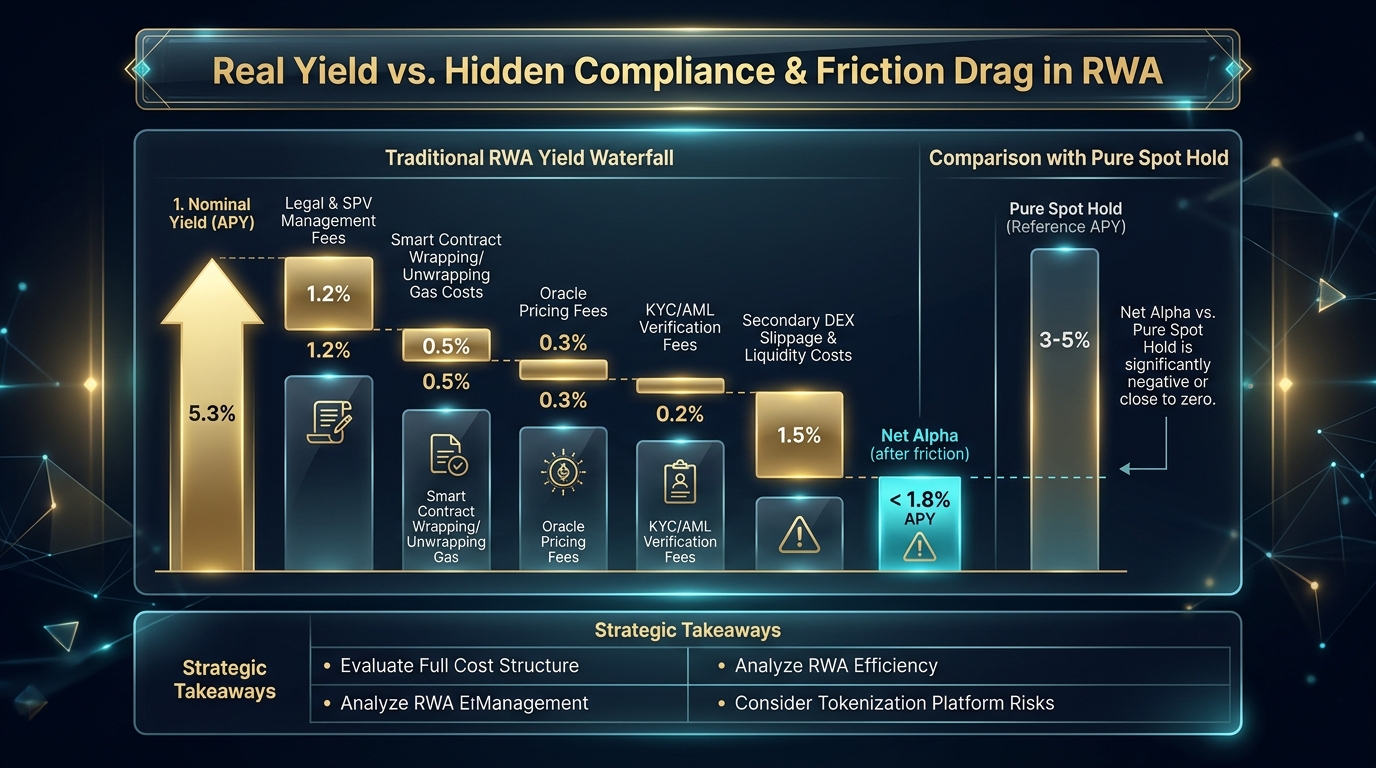
Figure 8: Nominal yield degradation waterfall: Hidden friction layers, wrapping gas, and compliance expenses eroding net investor returns.
When assessing the true performance of an RWA investment, nominal stated yields must be systematically adjusted for all frictional overhead throughout holding and rebalancing cycles.
Below is an itemized cost decomposition for an on-chain tokenized sovereign treasury position:
Following full cost-drag deduction, net realized yields compress substantially while investors retain systemic smart contract and counterparty custodian exposure—a critical parameter when structuring institutional capital allocation.
9. Quantitative Risk Radar & Hedging Framework with GEM Scanner
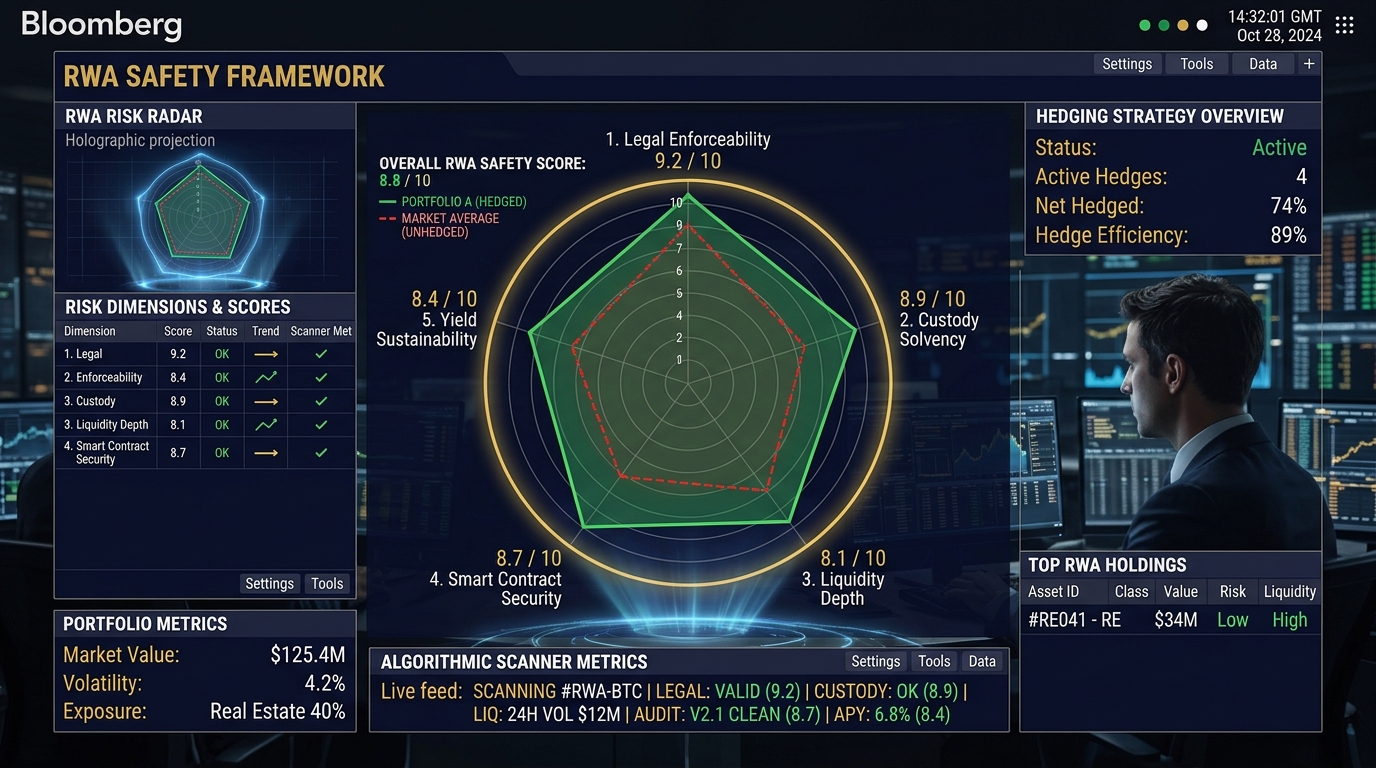
Figure 9: Five-dimensional quantitative RWA risk radar integrated into the GEM Scanner algorithmic intelligence suite.
To navigate RWA markets safely and strategically, capital allocators must establish a multi-layered risk framework across four core dimensions:
Prioritize direct custody of fully backed yield-bearing tokens with verified real-time Proof of Reserves. Never confuse stable income-generating assets with speculative governance tokens.
Rigorously audit administrative key capabilities, multisig threshold configurations, and contract pause triggers to preempt arbitrary custodial freezes.
Continuously benchmark on-chain pool depth against circulating supply to guarantee clean exit execution without catastrophic slippage during volatility spikes.
Deploy GEM Scanner quantitative algorithms to monitor institutional wallet flows, detect contract anomalies early, and dynamically hedge portfolio risk parameters.
10. Strategic Synthesis & Outlook 2026-2030
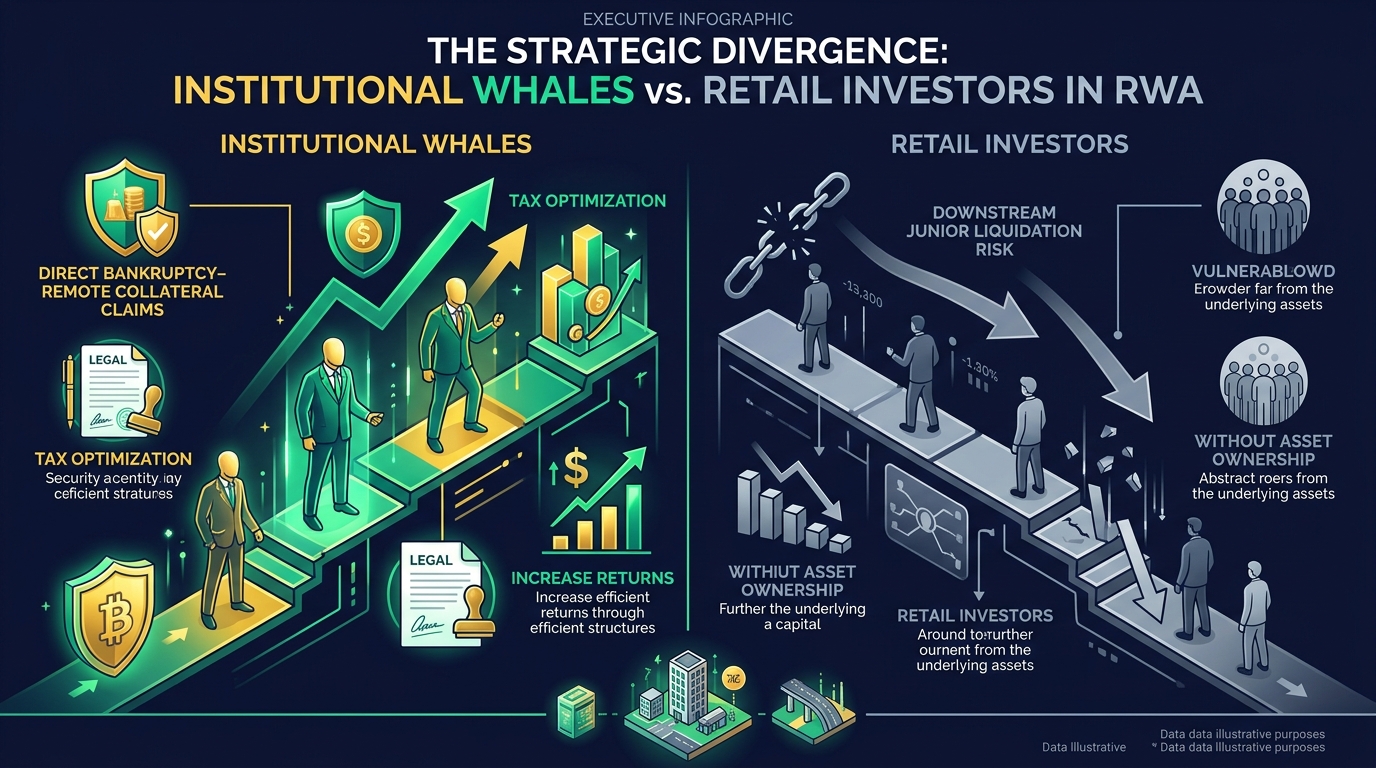
Figure 10: Strategic divergence: Institutional entities leverage RWAs for balance sheet efficiency, while individual investors must preserve capital through disciplined risk boundaries.
The Tokenized Real-World Asset movement represents an irreversible evolution of global financial infrastructure, engineered primarily for institutional capital efficiency. For individual market participants, navigating this frontier demands rigorous discipline and profound structural comprehension.
Mastering capital flow dynamics, enforcing ironclad risk controls, and deploying quantitative analytics will position your portfolio for enduring resilience and asymmetric performance across cycles.
Master Market Capital Flows & Quantitative Risk with GEMRAL
Elevate your market analytics, master capital flow mechanics, and deploy automated quantitative scanners to secure an enduring trading edge.

Trading Starter — Foundational Trading Mastery
Master macro cycles, asset valuation frameworks, and institutional risk management principles.
GEM Scanner — Real-Time Market Radar
Automated algorithms tracking on-chain smart money and high-probability setup patterns.
11. Academic References & On-Chain Data Citations (22 Sources)
1. BlackRock Inc. (2024). Institutional Liquidity Strategy and the BlackRock USD Institutional Digital Liquidity Fund (BUIDL) Prospectus. SEC EDGAR Filing.
2. Ondo Finance. (2025). Ondo Short-Term US Government Treasuries (OUSG & USDY) Structural Whitepaper & Security Architecture.
3. Franklin Templeton. (2024). On-Chain US Government Money Fund (FOBXX) Operational Mechanics. Asset Management Whitepaper Series.
4. Federal Reserve Bank of New York. (2025). The Transmission of Monetary Policy Through Tokenized Cash Equivalents and Secondary Markets. Staff Report No. 1082.
5. Bank for International Settlements (BIS). (2024). Blueprint for the Future Monetary System: Tokenization of Assets and the Unified Ledger. BIS Annual Economic Report.
6. International Monetary Fund (IMF). (2025). Cross-Border Legal and Liquidity Implications of Real-World Asset Tokenization. FinTech Notes 2025/03.
7. Centrifuge Protocol. (2024). An Exhaustive Guide to Real-World Asset Pools, Securitization SPVs and Tranche Risk Mitigation. Centrifuge Technical Documentation.
8. Maple Finance. (2024). Underwriting Standards, Default Recovery Procedures, and Institutional Lending Transparency Report.
9. Goldfinch Protocol. (2024). Forensic Assessment of Decentralized Emerging Market Credit Losses and Governance Restructuring Post-Mortem.
10. US Securities and Exchange Commission (SEC). (1946). SEC v. W.J. Howey Co., 328 U.S. 293. US Supreme Court Decisions.
11. European Central Bank (ECB). (2025). Financial Stability Review: Assessing Contagion Pathways in Tokenized Private Credit and Uncollateralized DeFi Lending.
12. DefiLlama Research. (2026). Global Real-World Assets (RWA) On-Chain Capital Distribution, TVL Metrics & Liquidity Depth Analysis.
13. Dune Analytics Dashboard. (2026). @rwa_watchers: Tokenized US Treasury Market Share, Rebase Mechanics, and Holder Distribution Metrics.
14. Chainlink Labs. (2025). Cross-Chain Interoperability Protocol (CCIP) and Proof of Reserve (PoR) Architecture for Tokenized Physical Assets.
15. Backed Finance. (2025). Regulatory Compliance, Prospectus Approvals, and Secondary Market Tokenization Under the Swiss DLT Act.
16. Superstate Inc. (2024). Short-Term US Government Securities Fund (USTB) Smart Contract Architecture and Daily NAV Computation.
17. Tether Operations Limited. (2025). Quarterly Assurance Opinion on Tether Gold (XAUT) Physical Vaulting Reserves in Switzerland.
18. Paxos Trust Company. (2024). PAX Gold (PAXG) Monthly Examination Report and Allocated Gold Bar Transparency Index.
19. Cambridge Centre for Alternative Finance. (2025). Global Alternative Finance Benchmarking Report: Institutional DeFi & Asset Tokenization.
20. Boston Consulting Group (BCG) & ADDX. (2022). Relevance of On-Chain Asset Tokenization in Global Illiquid Asset Markets (Projected $16 Trillion Opportunity by 2030).
21. Bloomberg Intelligence. (2026). Digital Assets Outlook: Institutional Tokenized Yield Strategies vs. Traditional Short-Duration Bond ETFs.
22. GEMRAL Research Group. (2026). Quantitative Assessment of Real Yield, Legal Friction Costs, and Liquidity Risk in the RWA Ecosystem. GEMRAL Internal Whitepaper Series (Pillar PG1).
⚠️ 12. Regulatory Financial Disclaimer (Disclaimer)
All insights presented in this research publication are formulated by the GEMRAL Research Group for educational and structural analysis purposes only. This publication does not constitute financial, investment, legal, or personal advisory recommendations.
Digital asset and RWA markets entail extreme volatility, jurisdictional uncertainty, and substantial principal loss risks. Capital allocation decisions remain the sole responsibility of the individual. Always perform independent due diligence (DYOR) and consult certified financial and legal professionals before executing capital deployments.