From GEM Scanner Signals to Trading Journal: The 3-Step Protocol to Close the Learning Loop & Master Systematic Discipline
From GEM Scanner Signals to Trading Journal: The 3-Step Protocol to Close the Learning Loop & Master Systematic Discipline
In-depth research on transforming quantitative data into execution competence: Escaping signal-dependency traps, establishing a standardized 3-phase execution protocol, and utilizing automated journal synchronization on GEM Scanner to continuously compound statistical edge.
Key Takeaways
- • Escaping the Passive Signal Trap: Scanner signals are merely initial probabilistic hypotheses. The true edge of a professional trader lies in contextual filtering, position sizing, and closing the learning loop.
- • The 3-Phase Closed Loop: The complete evolutionary cycle requires: (1) Quantitative Signal Screening & Filtering, (2) Risk Sizing & Mindset State Logging, (3) Objective Post-Trade Audit & System Calibration.
- • Automated Journal Sync: GEM Scanner Dashboard natively records and archives signal snapshots, eliminating 90% of tedious manual journaling while generating win-rate statistics by chart pattern.
- • 5-Minute Daily Routine: 2 minutes in the morning to plan, 1 minute during execution, and 2 minutes at market close maintains peak performance without screen-watching fatigue.
Research Table of Contents
1. The Signal-Dependency Syndrome: Why Blind Copying Fails
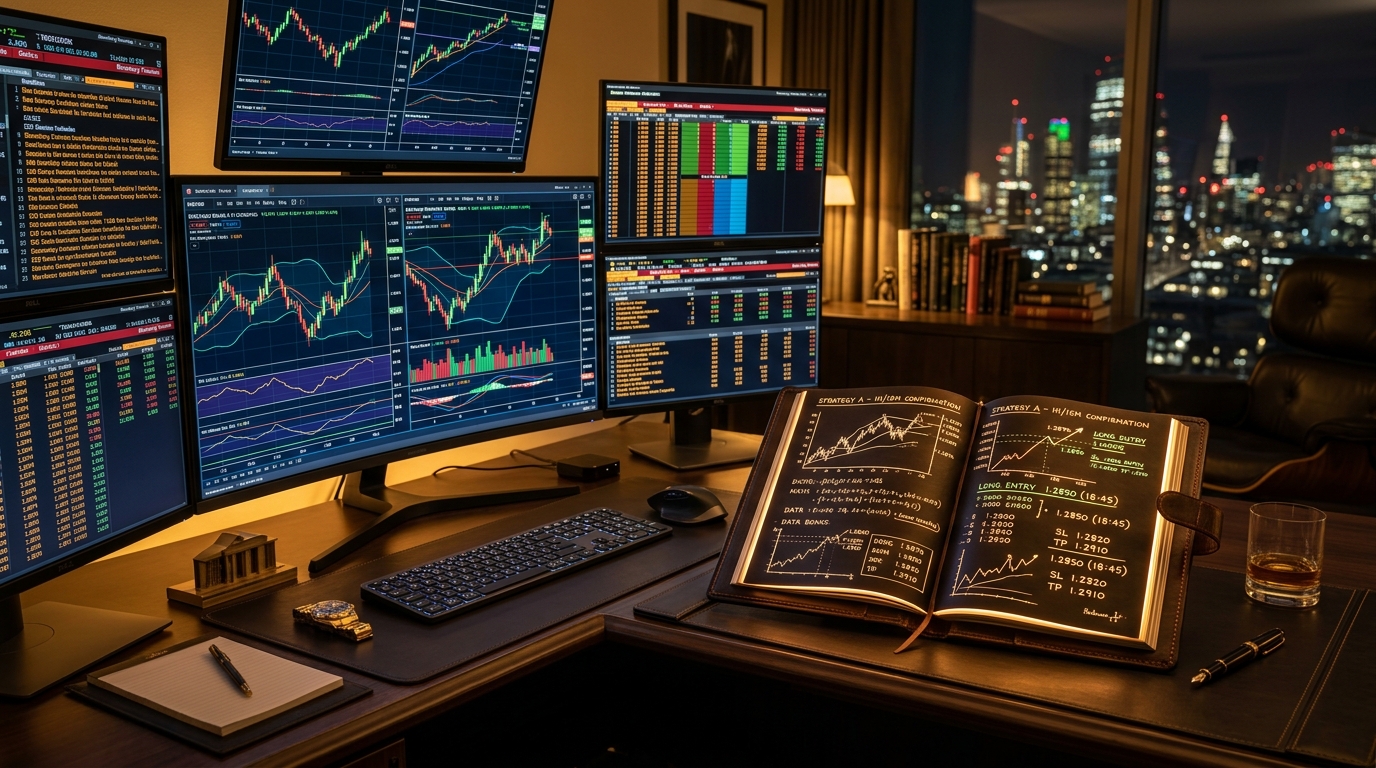
Figure 1: Transforming algorithmic signals into structured learning data empowers traders to cultivate sovereign competence.
In the algorithmic era, advanced pattern recognition tools are widely available to retail traders. Yet a paradox persists: many traders equipped with sophisticated scanners continue to suffer losses or plateau in performance.
The root cause is Signal-Dependency Syndrome. Treating a scanner as a passive vending machine — clicking buy or sell without evaluating market context or logging execution — creates an Open Loop.
In an open loop, winning trades are attributed to personal genius, while losing trades are blamed on tools or the market. No feedback loop is closed to refine decision quality. True progress occurs when GEM Scanner serves as quantitative input and your Trading Journal closes the learning loop.
2. Step 1: Reading Quantitative Signals & Decoding Confidence Scores
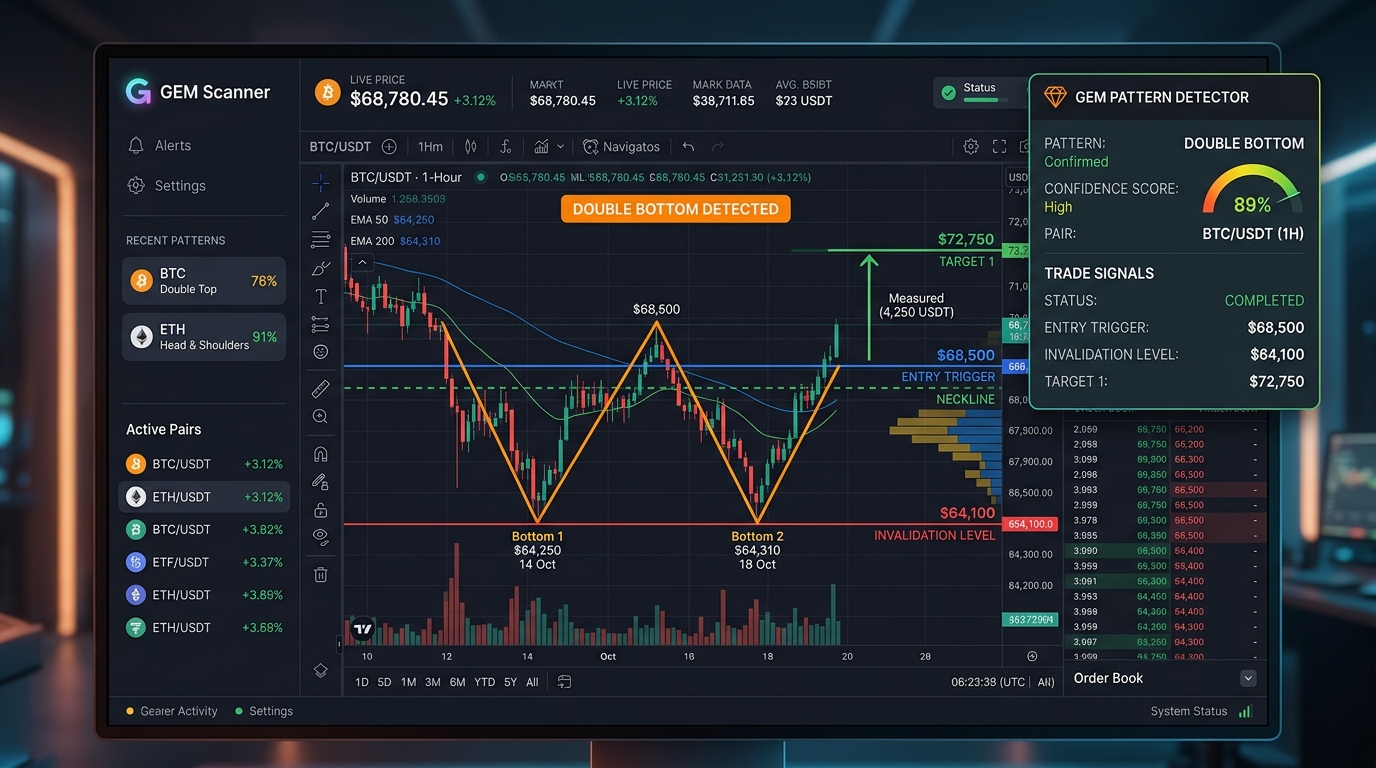
Figure 2: Multi-dimensional analysis of Confidence Scores, Fresh Zones, and Timeframe Confluence on GEM Scanner.
1. Confidence Score (%):
Reflects geometric pattern precision and historical liquidity confluence. Scores of 70%+ indicate prime candidate setups for monitoring.
2. Fresh Zone vs Stale Zone:
Classifies support and resistance by historical retest count. Untested Fresh Zones hold high liquidity density and deliver superior reaction probability.
3. Structural Risk-to-Reward Ratio:
Automatically computes distance from entry to structural invalidation, filtering setups for minimum R:R $\ge 1:2.0$.
3. Step 2: Standardizing Execution & Logging Discipline Frequency
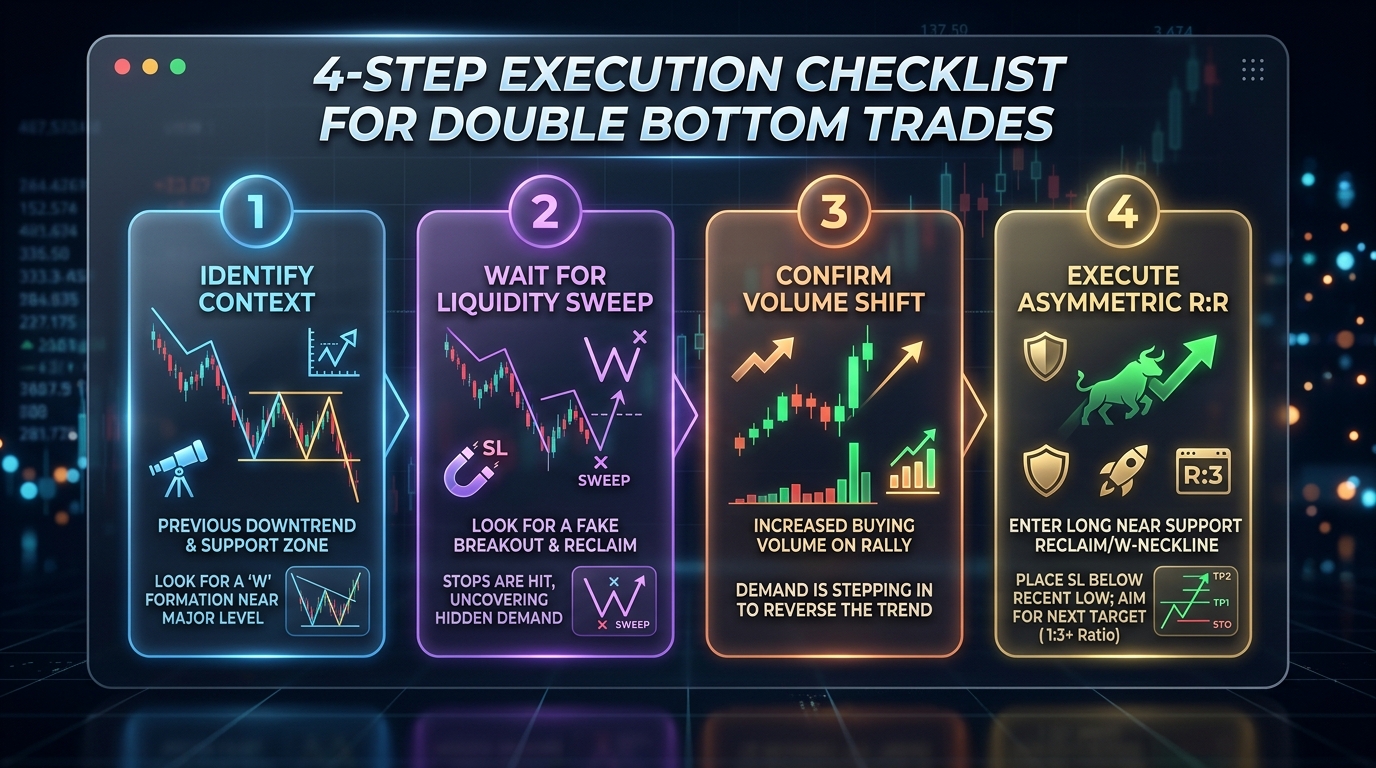
Figure 3: 4-step discipline checklist preventing impulsive, emotional trade entries.
- Fixed Fractional Sizing: Never enter on impulse. Cap total risk at a strict 1% of account equity per setup.
- Conditional Order Placement: Pre-set structural Stop Loss and tiered Take Profit targets.
- Mindset Frequency Audit: Take 30 seconds to reflect on inner state. Are you feeling FOMO or operating with calm probabilistic clarity?
4. Step 3: Multi-Dimensional Post-Trade Audit & Skill Separation
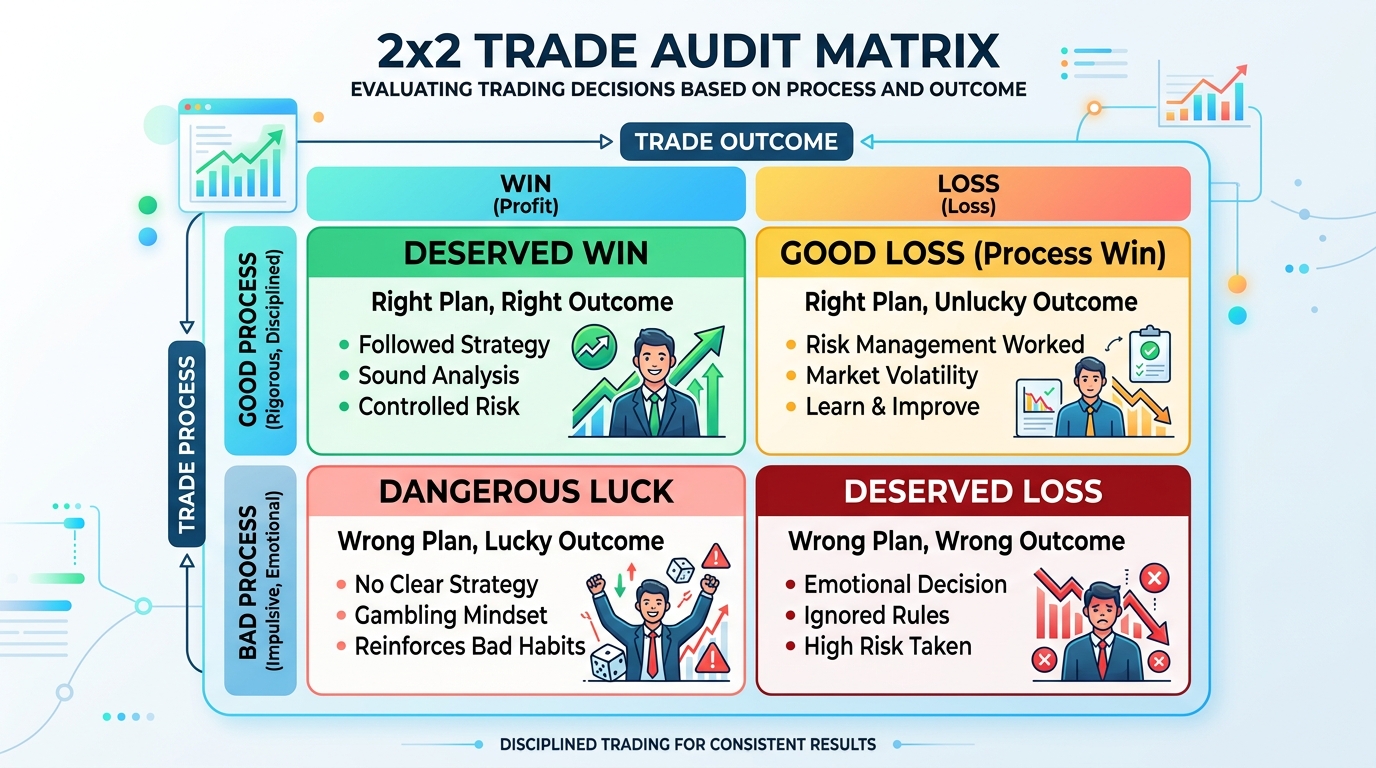
Figure 4: The 4-quadrant post-trade audit matrix focusing on disciplined execution rather than single-trade outcome.
3-Phase Learning Loop Lifecycle
| Phase | Core Task | Tools | Mandatory Output |
|---|---|---|---|
| Phase 1: Scan & Filter | Pattern detection, Confidence Score verification, Fresh Zone confirmation, R:R calculation. | GEM Scanner Dashboard & Multi-timeframe filters | Structured trade plan: Asset, Trigger price, Structural Invalidation SL. |
| Phase 2: Execute & Log | 1% position sizing, automated SL/TP setup, mindset frequency audit. | Position Sizing Tool & Psychological state log | Disciplined order entry with parameters logged before execution. |
| Phase 3: Audit & Evolve | 4-quadrant classification, discipline adherence scoring, behavioral lesson extraction. | Automated Trade Journal & GEM performance analytics | Updated statistical records and identified areas for system calibration. |
5. Automated Journal Synchronization on GEM Scanner Dashboard
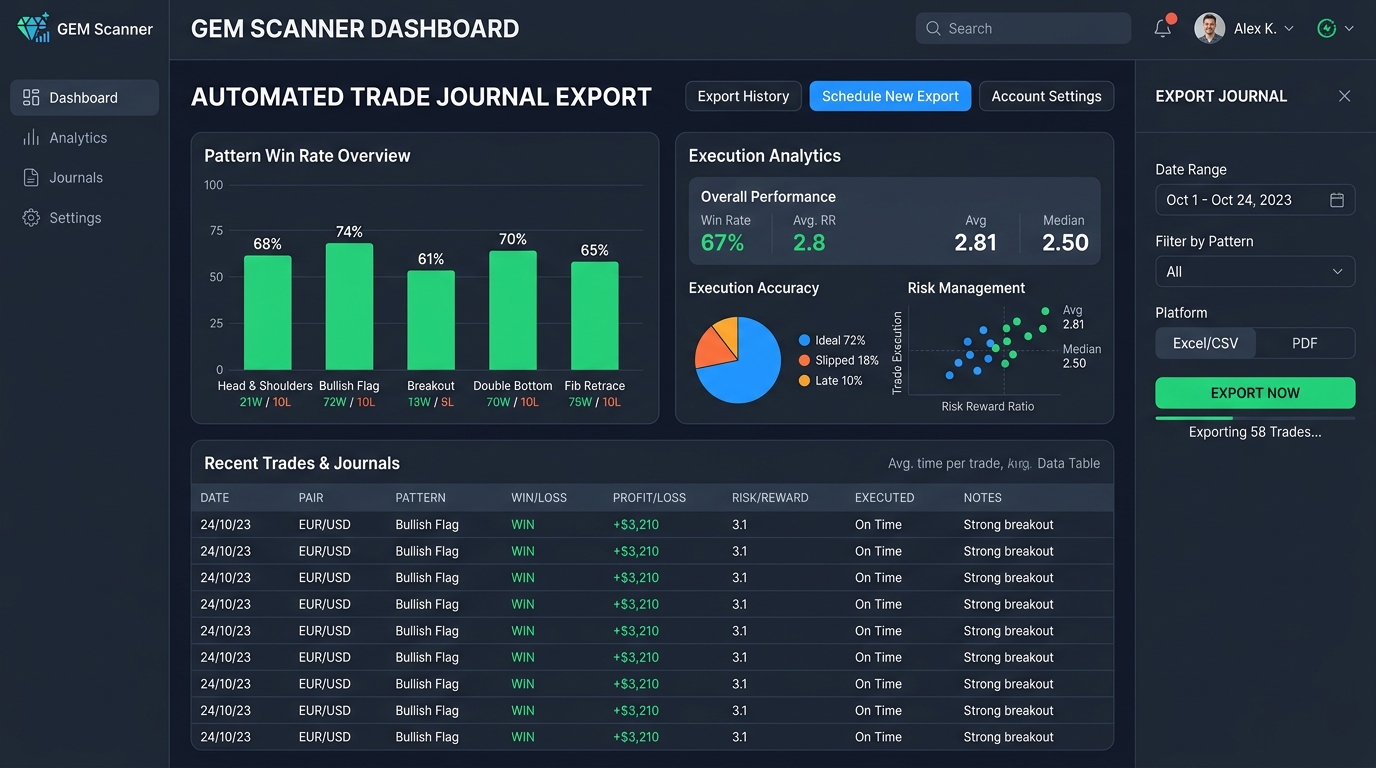
Figure 5: Automated Trade Journal Export archives complete signal history and computes win-rate analytics per pattern.
To eliminate the friction of manual data entry, GEM Scanner Dashboard features Automated Trade Journal Export.
When you tag a setup, the system automatically archives the chart snapshot, trigger level, timestamp, and target R:R. You spend just 30 seconds noting emotional state and execution fidelity. Monthly analytics show your highest-expectancy setups and discipline adherence rates.
6. Personal Trading Covenant: 3 Immutable Rules for Independence

Figure 6: Deploying multi-tier alert systems frees the mind from constant chart monitoring.
No Plan = No Trade
Never open a position without a predefined structural invalidation stop loss and calculated 1% risk position size.
Strict Stop Loss Adherence
Accept stop losses as a normal cost of doing business in probability. Never average down or widen risk.
Audit All Trades Daily
Spend 2 minutes classifying closed trades into the 4-quadrant matrix before sleep, closing the day with equanimity.
7. The 5-Minute Daily Practical Protocol
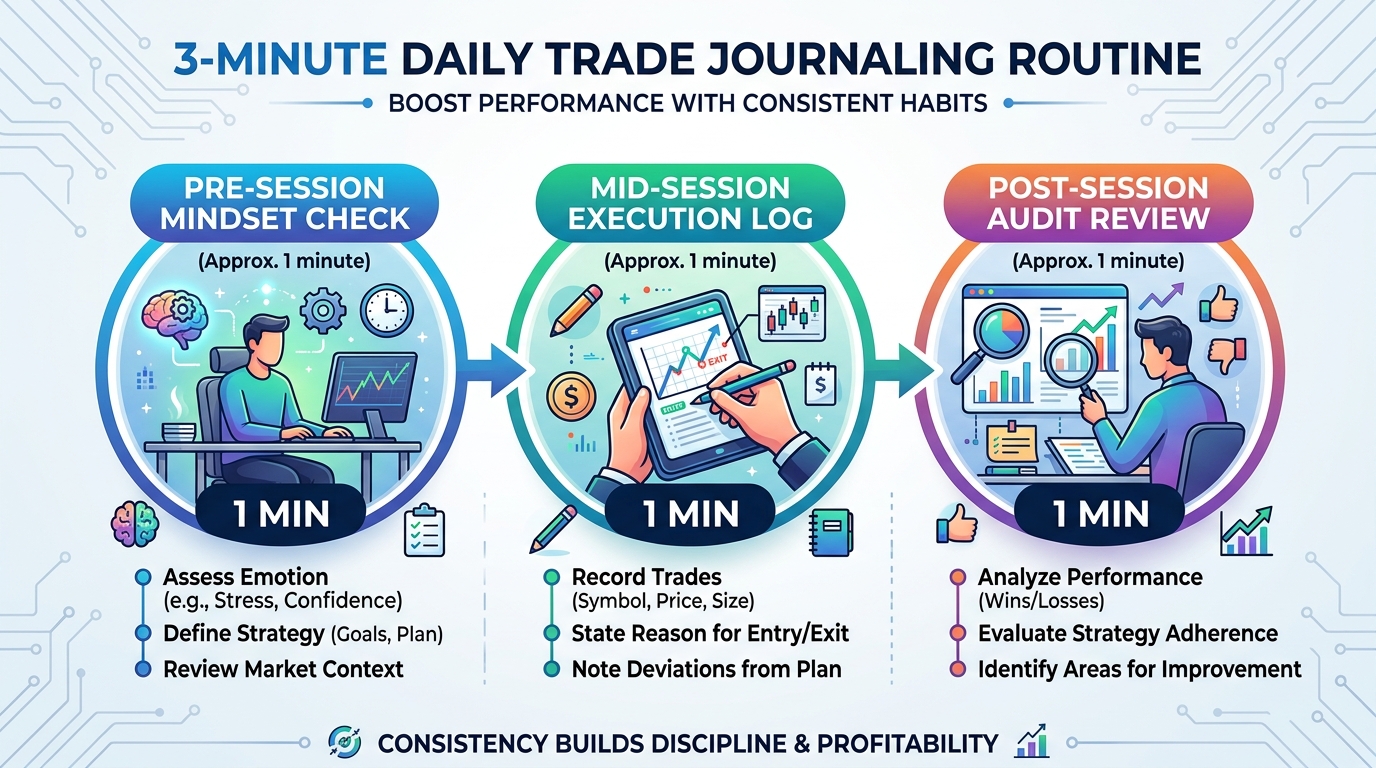
Figure 7: A 5-minute daily structure to master systematic trading with calm composure.
- Morning Plan (2 Mins): Review GEM Scanner for high Confidence Score setups, select 2-3 candidates, and deploy price alerts.
- Midday Execution (1 Min): On alert trigger, verify candle confirmation, execute with 1% risk sizing, and log parameters.
- Evening Audit (2 Mins): Review closed trades in the 4 quadrants and extract one key behavioral lesson.

Jennie Uyen Chu
Founder of GEMRAL • Quantitative Analyst & Creator of GEM Frequency Framework
Market analyst and trading psychology coach. Creator of the GEM Frequency framework and GEM Pattern Scanner, empowering thousands of traders worldwide to build consistent discipline and long-term financial sovereignty.
8. Academic Bibliography & References
1. Douglas, M. (2000). Trading in the Zone. New York Institute of Finance.
2. Steenbarger, B. N. (2006). Enhancing Trader Performance. John Wiley & Sons.
3. Kahneman, D. (2011). Thinking, Fast and Slow. Farrar, Straus and Giroux.
4. Tharp, V. K. (1998). Trade Your Way to Financial Freedom. McGraw-Hill.
5. Taleb, N. N. (2001). Fooled by Randomness. Texere.
6. Lo, A. W., & Repin, D. V. (2002). The psychophysiology of real-time financial risk processing. Journal of Cognitive Neuroscience.
7. Clear, J. (2018). Atomic Habits. Avery.
8. GEM Quantitative Research Group. (2026). From Pattern Detection to Behavioral Optimization. Internal Monograph Series.